


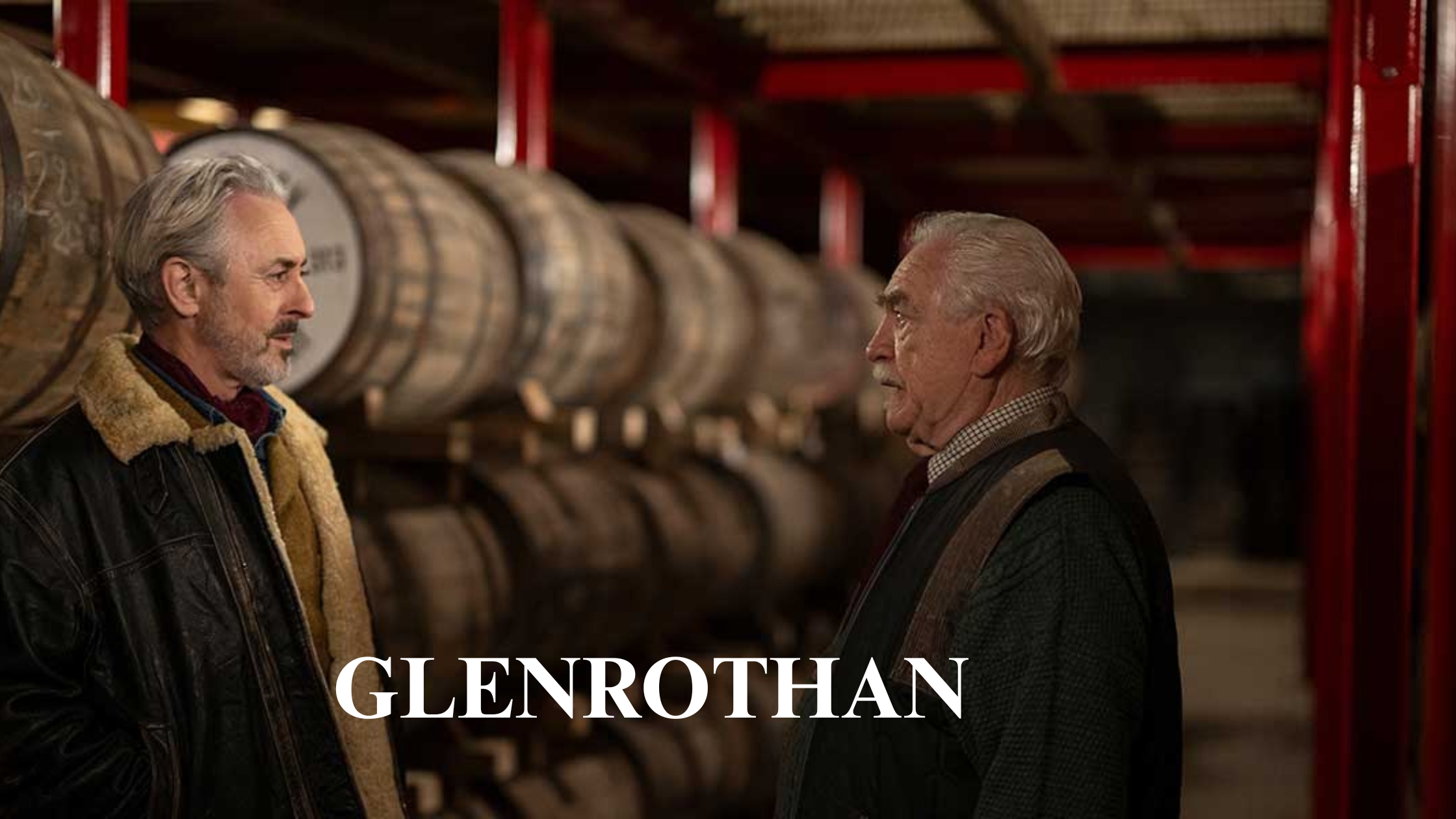
Glenrothan — A Heartfelt Highland Homecoming.
Glenrothan is a 2025 British drama film, marking the feature directorial debut of Brian Cox. It is, by his own reckoning, a deeply personal project — a “love letter to Scotland.” The film is set in the Scottish Highlands in a fictional town called Glenrothan, and centers on family, legacy, and reconciliation.
Cast — How Many, and Who Are the Principals.
Principal Cast
- Alan Cumming plays Donal, the younger brother who has lived abroad (Chicago) for decades.
- Brian Cox, besides directing, plays Sandy, the older brother who stayed behind in Scotland.
- Shirley Henderson is part of the ensemble.
- Alexandra Shipp also features in the film.
- Siobhan Redmond is another name in the cast.
There are also supporting roles beyond this core cast, but these five are the most prominently mentioned in announcements and credits.
In total, while all credited cast (including smaller roles) may be more, the key ensemble is relatively compact — around 5-7 actors carry the narrative in a film that is intimate and character-focused.
Who Is the Main Character / Means Character.
The central emotional focus of Glenrothan is on Donal (Alan Cumming) and Sandy (Brian Cox). Their estrangement and reunion form the movie’s backbone. If one had to pick the “means character” (i.e., the primary lens or heart of the story), Donal arguably drives much of the plot: his return after 35 years abroad, his internal conflicts, and the reasons he left in the first place.
But it’s not a one-sided story. Sandy also carries narrative weight: he stayed behind, running (or trying to run) the family whiskey distillery, burdened by legacy, regret, and longing for connection. Their reconciliation — personal and practical — is the film’s emotional engine.
Box Collection / Box Office Performance.
On the box office front, Glenrothan doesn’t yet have wide publicized financial data (as of now):
- According to The Numbers, the only concrete box-office figure publicly reported is for New Zealand, where the film made US$ 28,846.
- There is no widely reported “worldwide box-office” or large domestic gross available as of the latest festival coverage.
Given that the film premiered at TIFF (Toronto International Film Festival) on September 11, 2025, it may still be in its early theatrical or festival run, and full box office numbers might emerge later.
So, in short: box-collection is very limited / modestly reported so far, and there’s no big publicly available blockbuster gross at this stage.
Genre and Niche — What Kind of Movie Is This, and Who Is It For?
Genre / Niche:
- It’s a drama (with some lighter, heartfelt moments) — not a high-action or thriller film.
- Specifically, it’s a family-reconciliation drama, centered on siblings, legacy, and homecoming.
- It can also be seen as a heritage film — a “love letter to Scotland,” with strong ties to Scottish identity, history, land, and the whiskey distillery as a symbol of familial legacy.
- It has moments of emotional warmth and touches of humor, making it more than just a solemn drama.
Audience / Target Viewers:
- People who appreciate character-driven stories about family, identity, and roots.
- Viewers with a sentimental or cultural interest in Scotland, Scottish landscapes, and heritage.
- Fans of actors like Brian Cox and Alan Cumming, especially those who follow their more serious dramatic work.
- Those who enjoy indie / arthouse dramas rather than mainstream blockbusters.
- Viewers who like films about reconciliation, legacy, and personal journeys rather than big spectacle.
What makes Glenrothan niche is its blend of personal drama and cultural rootedness. It’s not just a sibling story — it’s about returning to one’s homeland, preserving family business (the distillery), and confronting past trauma. Cox himself has called the film his “homage” to Scotland — underlining the deeply emotional and geographical tie.
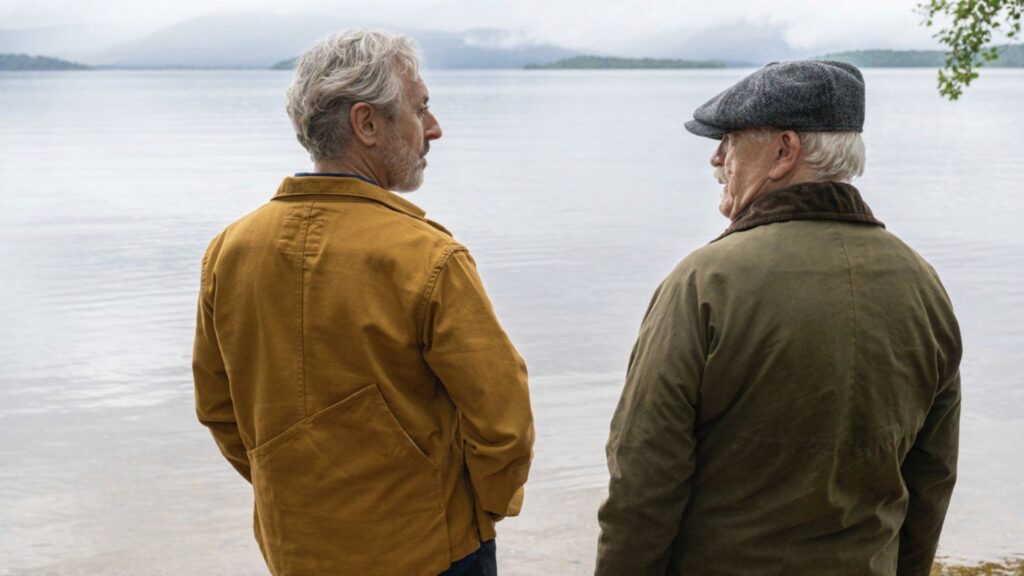
In-Depth Analysis: Story, Themes, Execution, Strengths & Critiques
Story / Plot Overview
- Premise: After decades away (35 years in Chicago), Donal returns to his native Scotland to make amends with his estranged brother, Sandy, who has stayed behind.
- Conflict: Sandy needs Donal’s help. The family’s whisky distillery is in dire straits, and Sandy may be forced to sell if Donal doesn’t step in.
- Emotional Core: Their reunion is not just business — it forces them to confront why Donal left, what hurt they carry, and whether their bond can truly be rebuilt.
- Setting: The fictional town of Glenrothan in the Highlands — atmospheric, rugged, and steeped in tradition.
- Resolution / Journey: As the brothers reconnect and dig into their family legacy, they must decide what is more important — preserving the distillery or letting go, and whether their shared past can become a bridge rather than a barrier.
Themes
- Family & Estrangement: The heart of the film is about fractured relationships and the long shadows cast by old wounds. The estranged brothers represent different life paths, and their reconciliation is both personal and symbolic.
- Legacy & Heritage: The distillery is more than a business — it’s a tangible link to their past, their identity, and their Scottish roots. The film uses this to explore what legacy means, and whether it’s worth fighting for.
- Homecoming and Identity: Donal’s return after many years abroad brings the classic theme of “returning home” — but it’s not just geological; it’s emotional. He must reconcile who he has become with where he came from.
- Forgiveness & Healing: The Glenrothan film is about making amends. It’s not simply about restarting the business; it’s about healing old hurts. The brothers’ emotional journey is central.
- Connection to Place: The Scottish Highlands, the distillery, the landscape — all act as characters in their own right. Cox’s “homage to Scotland” is evident in how much the place matters.
Direction & Performances
- Brian Cox (Director): This is Cox’s first feature film as a director. He has previously directed for theatre and an episode of Oz, but Glenrothan is his big-screen directorial debut.
- Cox’s vision is clearly personal: he speaks of wanting to bring heart to cinema, resisting cynicism.
- Alan Cumming (Donal): Many reviewers highlight his performance as a strong point. According to Yahoo Entertainment, Cumming delivers one of the most resonant performances of his career, playing a man returning after decades, wrestling with loss and legacy.
- Shirley Henderson: Although her role might be smaller, it’s noted that she brings depth and presence — especially in her association with the distillery and the weight of tradition.
- Alexandra Shipp: Plays a younger generation figure (some sources mention she is the daughter in the family) and her role helps bridge past and future in the story.
Tone & Cinematography
- The tone is wistful and reflective, not high-drama or high-action. It’s a quietly emotional film, with moments of warmth, regret, and reconciliation.
- Cinematography leans heavily into the beauty of Scotland — the Highlands, the distillery, the rural landscapes — offering a visual love letter to the land.
- Music and score reportedly lean into sentimentality (some reviews note that the score can be overemphatic), adding to the emotional weight of the film.
Strengths
- Strong Lead Performances: Cumming and Cox deliver emotional authenticity. Their chemistry — as real-life Scottish actors with deep ties to the land — gives the film gravitas.
- Personal Vision: Because it’s Cox’s own homage to Scotland, the film feels intimate and earnest rather than commercially driven.
- Beautiful Setting: The Scottish Highlands and distillery setting give the film a strong aesthetic identity.
- Relatable Themes: Estrangement, homecoming, familial duty — these are universal themes, and the film handles them with care.
- Concise Runtime: At 97 minutes, the film doesn’t overstay its welcome, keeping the narrative focused.
Critiques / Weaknesses
- Predictability: Some critics argue that the story follows familiar beats of reconciliation dramas without offering much that’s new.
- Dialogue / Script Issues: According to reviews (Rotten Tomatoes), the dialogue can feel wooden or overly sentimental; metaphors are mixed, and some scenes feel overwritten.
- Emotional Overstatement: The score and certain emotional moments are said to be a little heavy-handed, pulling too much at the heartstrings.
- Surface-level Exploration: Some reviews suggest the film leaves things “on the surface” rather than delving deeply into its characters’ psychological or emotional complexity.
Why Glenrothan Matters — Its Significance and Impact.
- Brian Cox’s Directorial Debut
For a celebrated actor like Brian Cox, Glenrothan is a significant step: moving behind the camera to tell a story close to his roots. His choice to focus on Scotland, family, and heritage shows ambition and personal investment. - Cultural and Geographic Representation
The film is deeply Scottish — not just in setting, but in spirit. It foregrounds Scotland’s rural beauty, its whiskey tradition, and the weight of generational legacy. For audiences who rarely see quiet, place-based films about Scotland’s heartland, Glenrothan offers a meaningful portrait. - Emotional Accessibility
While it may tread familiar ground, the film’s emotional honesty and sincerity give it the potential to resonate with a wide audience — especially those who have experienced estrangement, returning home, or grappling with a family business or heritage. - Industry Impact
Cox’s move into directing could encourage more actor-directors, especially from smaller markets or those with deep personal ties to their stories, to take creative risks. This Glenrothan film could open doors for more heritage-drama narratives, rooted in place and identity.
Critical Reception.
- On Rotten Tomatoes, the film has received mixed to negative reviews, with criticism of its predictability, emotional overreach, and lack of narrative depth.
- Variety called it “bottom-shelf blend: easily drinkable, highly forgettable.”
- Collider argued that despite Cox’s talent, the film is “irritating in its presentation of a story we’ve seen so many times before, done poorly.”
- A review on Yahoo Entertainment was more positive about the performances: praising Cumming’s emotional depth, Cox’s generosity as a director, and the cast for “galloping past the clichés” even when the story is familiar.
On Metacritic, as of now, only a few (4) critic reviews are listed. The Metascore is not fully conclusive but suggests a mixed critical reception.
Final Thoughts — Why (Or Why Not) to Watch Glenrothan.
Reasons to Watch:
- If you appreciate character-driven dramas about family, identity, and reconciliation, this film is right in your wheelhouse.
- You want to see Brian Cox’s directorial debut, especially given his long and distinguished acting career.
- You’re drawn to Scottish settings, landscapes, and heritage — the distillery is not just a business, but a symbol of legacy.
- You’re okay with a movie that’s emotionally earnest and doesn’t rely on big plot twists, but rather on inner conflict and relationship.
Reasons It Might Not Be for You:
- If you want a plot with high stakes, surprising twists, or cinematic spectacle — Glenrothan is quieter, more introspective.
- If you dislike sentimentality or feel that dialogue-driven, emotional family dramas can veer into cliché.
- If you’re looking for big box-office hits or crowd-pleasing blockbusters: as of now, Glenrothan is more of a festival / art-drama film than a commercial juggernaut.
Conclusion.
Glenrothan is a heartfelt, no-frills drama about two brothers, their shared past, and what it means to come home. Brian Cox’s leap into directing reveals a personal and emotional story rooted in place, memory, and legacy. Alan Cumming and Cox’s performances anchor the film, giving its themes of estrangement and reconciliation a real emotional core. While the film leans into familiar dramatic territory, and critics note its predictable arcs and occasional sentimentality, its strength lies in its sincerity and its love for the Scottish landscape and lineage.
This is the kind of movie that doesn’t shout, but whispers — about forgiveness, belonging, and the quiet courage of returning to where you started. It’s not perfect, but for those who value character, heritage, and emotional resonance, Glenrothan may be a deeply rewarding watch.