

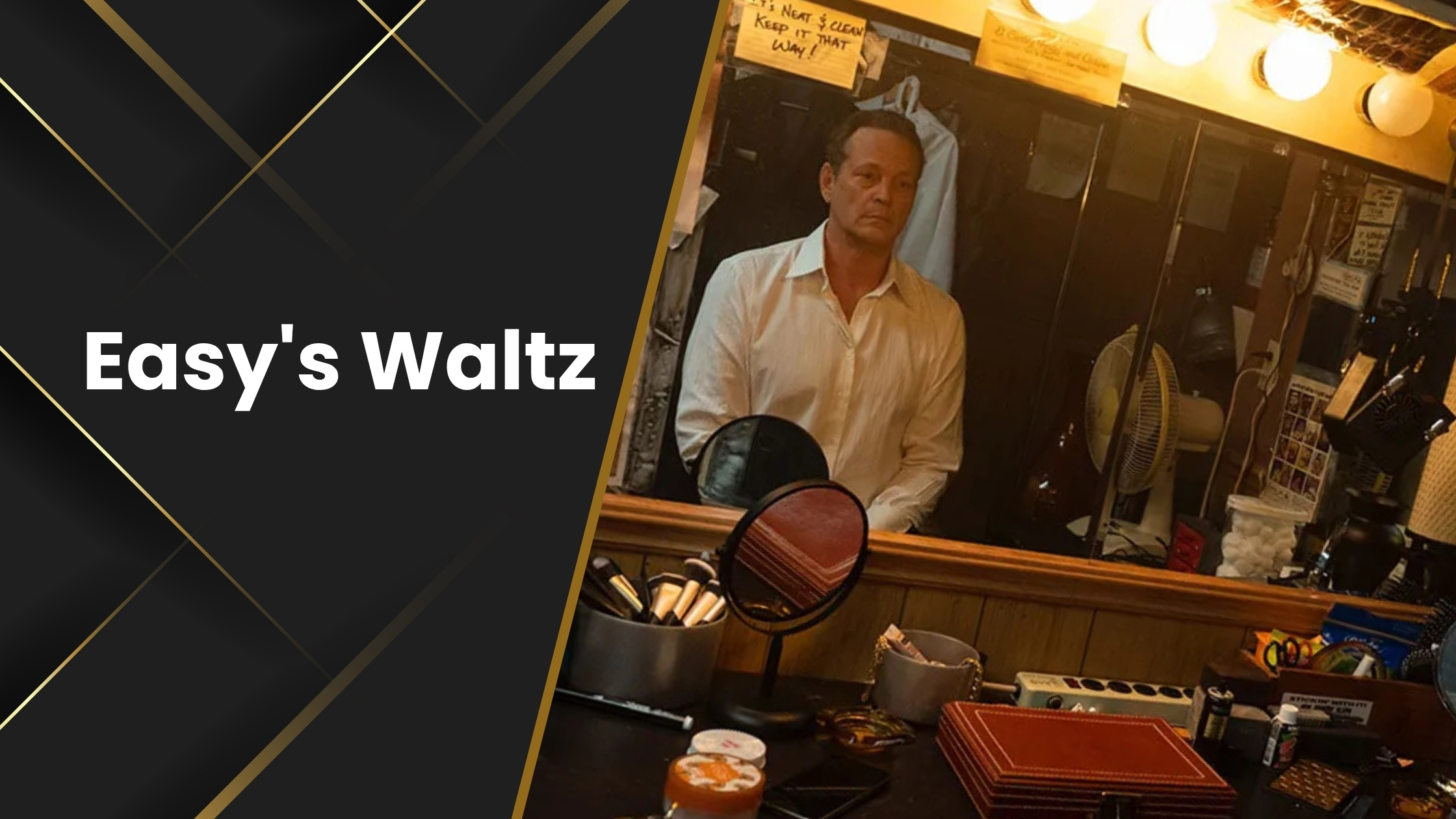
Easy’s Waltz — a smoky, bittersweet comeback in old-school Vegas.
There’s an old-Hollywood romance to Easy’s Waltz — a story about the strange alchemy that happens when a washed-up crooner gets one last shot at being luminous onstage. Nic Pizzolatto’s feature directorial debut hands that premise to Vince Vaughn, who plays Easy, a down-on-his-luck lounge singer trying to reclaim a life that feels half-forgotten. It’s a film about reinvention, brotherhood, show business myths, and how performance can both heal and sabotage. The movie premiered at the Toronto International Film Festival in September 2025 and has been described by critics as an old-school Vegas picture filtered through a modern indie sensibility.
The short facts: cast, director, runtime, release.
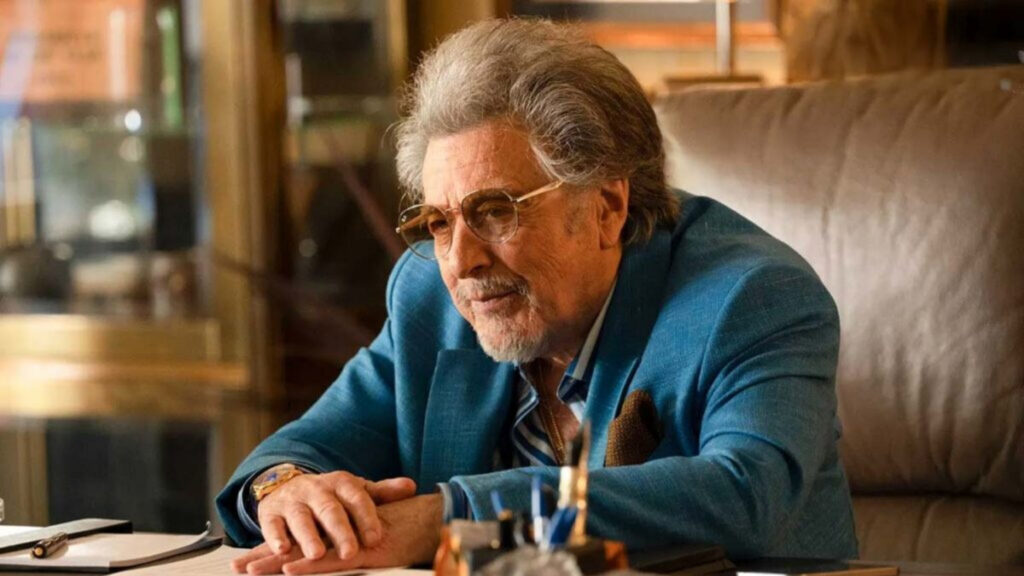
Easy’s Waltz is written and directed by Nic Pizzolatto (creator of True Detective). The principal cast includes Vince Vaughn (Easy), Al Pacino (Mickey Albano — a veteran casino booker), Kate Mara, Simon Rex, Timothy Simons, Sophia Ali, Mary Steenburgen, Fred Melamed, Shania Twain, Cobie Smulders, Shane Gillis and others. The film runs roughly 103 minutes and premiered at TIFF on September 11, 2025.
If you want a full credit roll, IMDb and the festival pages have the extended cast and crew lists. The “core” speaking ensemble that carries the film is roughly a dozen principal players, with additional bit parts and musical cameos rounding the roster.
How many cast — quick answer.
If you mean major, credited performers who carry narrative weight: around 10–15 principal actors (Vaughn, Pacino, Mara, Rex, Simons, Ali, Steenburgen, Smulders, Fred Melamed, Shania Twain among them). If you include every named extra and cameo in the full credits, the number grows into the dozens — check IMDb’s full-credits page for the exhaustive list.
Who is the main (means) character?
The emotional and narrative center of Easy’s Waltz is Easy himself — the character played by Vince Vaughn. The film tracks his attempt to stage a comeback in modern Las Vegas after years of downward drift: his talents, self-destructive tendencies, and relationships (especially with his brother and the veteran booker Mickey Albano, played by Al Pacino) drive the plot forward. While several supporting figures supply texture and conflict — the brother with messy schemes, the booker who sees something in him — Easy is the “means character” through whom the audience experiences the movie’s moral and emotional reckonings.
Box office / “box collection” — what it made (so far).
At the time of writing, there is no comprehensive public box-office tally for Easy’s Waltz. The film premiered at TIFF and — at least in festival coverage — has been discussed mainly in terms of performances, tone, and distribution prospects rather than theatrical grosses. Box-office trackers like The Numbers list the film but show “n/a” for domestic gross, indicating that wide-release revenue figures are not yet available or not reported publicly. In short: Easy’s Waltz has festival momentum, distribution discussions, and critical attention, but no definitive box-office totals have been published yet.
The niche — who the film is for.
Easy’s Waltz sits where two audiences overlap: lovers of music-drama (especially lounge/crooner narratives) and viewers who appreciate character-driven indie films with a touch of classic cinema texture. It’s a Vegas picture that isn’t a casino thriller — it’s nostalgic about showbiz and about the older generation of performers and bookers who embody an America-of-myth. That places it in a niche alongside modern music dramas and comeback films: think La La Land’s emotional throughline crossed with the smoky club vibe of The King of Comedy (and with a more melancholic, small-scale indie pulse). Fans of actor-led vehicles — movies built to showcase a central performance — will find it especially appealing.
Deep dive: story, themes, execution (no major spoilers).
Premise & set-up
The Easy’s Waltz film follows Easy, a lounge singer whose career has stalled. When Mickey Albano (Al Pacino), a veteran casino booker with old-school instincts, recognizes something in him, Easy is offered an opportunity that could resuscitate his life. But the path to a proper comeback runs through messy territory: family obligations, a scheming brother who complicates matters, and Easy’s own penchant for sabotaging the very chances he’s given. The Las Vegas in Pizzolatto’s film is at once glamorous and threadbare — a modern town trying to cash in on nostalgia.
Key relationships
- Easy & Mickey — A mentor-like/manager relationship in which the old guard recognizes — and wagers on — raw talent. Pacino’s Mickey functions as both savior and moral mirror; his presence elevates the stakes and gives the movie an emotional spine.
- Easy & his brother — Familial ties complicate the reinvention story. The film threads in brotherly loyalty and resentment, with subplot beats that reveal how personal history and pragmatic schemes can tether or topple a comeback.
- Easy & the music — The Easy’s Waltz film uses performance scenes not just as spectacle but as character work: when Easy sings, he reveals parts of himself he otherwise hides. Vaughn reportedly performs over a dozen songs onscreen — an intentional choice to make the music the film’s emotional language.
Themes
- Reinvention vs. self-sabotage. The classic comeback arc is complicated here by a protagonist who seems incapable of straightforward redemption. The film interrogates why some people derail themselves even when the door to reinvention is open.
- Old-school showbiz vs. contemporary commerce. Pizzolatto stages Vegas as a place that sells nostalgia; Mickey represents a time when talent and booking were personal, not purely data-driven. The movie meditates on whether those older mechanics still have purchase.
- Brotherhood and moral compromises. Easy’s familial obligations test the authenticity of his comeback: loyalty sometimes looks like enabling; sometimes like an anchor you must cut.
Tone and stylistic choices
Pizzolatto’s script and direction lean into a measured, character-first rhythm. The Easy’s Waltz film isn’t a gas-pedal crowd pleaser — it ambles with lounges, late-night rehearsals, and long takes that let performances breathe. Critics noted an old-fashioned melodic sensibility: it plays like a lounge drama in film form, with the camera often lingering on faces and musical moments rather than action beats. Production values and cinematography lean into warm, club-lit palettes; the music (produced by Keefus Ciancia) is a clear throughline.
Performances
- Vince Vaughn gives what many reviewers called a revelatory turn: he’s less the rapid-fire comedic Vaughn of old and more a melancholic, textured performer who invests the role’s vulnerabilities with sincerity. Vaughn sings live in several sequences, and the choice to foreground his voice pays emotional dividends.
- Al Pacino brings gravitas and old-school magnetism; critics highlighted the chemistry between Pacino and Vaughn as one of the picture’s strongest assets. Supporting players (Kate Mara, Simon Rex, Mary Steenburgen, Timothy Simons, Sophia Ali, Fred Melamed and others) provide tonal ballast and occasional comic relief.
Strengths
- Central performance. Vaughn’s commitment to the music and the character makes the Easy’s Waltz film feel lived-in rather than gimmicky.
- Pacino’s presence. Having an actor of Pacino’s gravitas amplifies every scene he’s in — and his mentorship dynamic is emotionally satisfying.
- Music as storytelling. The choice to let songs do heavy narrative lifting is effective; the Easy’s Waltz film uses performance scenes to reveal inner life.
Weaknesses / caveats
- Pacing and familiarity. Some critics find Pizzolatto’s approach too languid or nostalgic; the comeback movie is a familiar blueprint, and not all viewers will appreciate the film’s low-gear temperament.
- Box-office prospects unclear. Because the picture is currently festival-focused and only starting its distribution conversations, it’s uncertain how well the film will translate to broad commercial success. The subject matter and tone suggest it may perform best as a specialty/arthouse title rather than a mainstream hit.
Final take.
Easy’s Waltz is a mood piece — smoky, sometimes sentimental, and anchored by a brave central turn from Vince Vaughn and the steady gravity of Al Pacino. If you go expecting a glossy, chart-topping music biopic, you’ll be disappointed: this is an intimate, sometimes ragged portrait of a performer at the edge of the spotlight. But if you enjoy character studies that let music speak where exposition might otherwise intrude, and if you like seeing established actors play with the romantic mythology of show business, this movie will likely reward you.
It’s the kind of film that plays best in a small theater or at a festival screening: close enough to hear the voice onstage, quiet enough to feel the notes reverberate after the credits roll.