


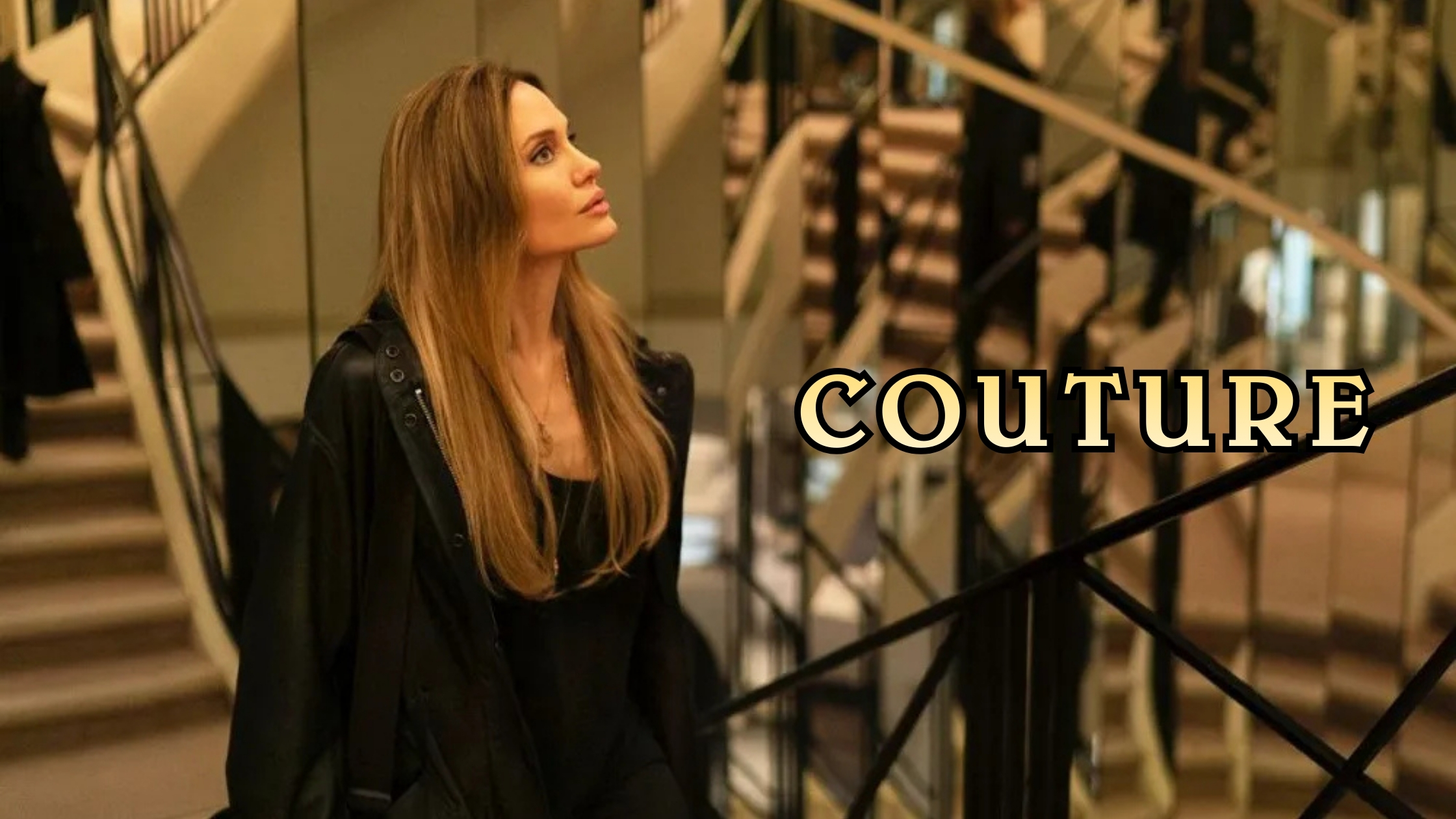
Couture — A Poignant Stitch Between Fashion, Illness, and Identity.
“Couture” is a 2025 drama written and directed by Alice Winocour, set amidst the electric, high-stakes world of Paris Fashion Week. But this isn’t just a glitzy fashion film — it’s an intimate portrait of three very different women, each navigating personal crises, ambition, and vulnerability under the glaring lights of couture. The film received its world premiere in the Special Presentations section at TIFF 2025.
At its heart, Couture is about resilience: about how women’s bodies, stories, and identities are sewn into the fabric of fashion — and how, behind the sparkle, there is real struggle.
Cast — Who’s In Couture (And How Many Major Players).
Principal / Key Cast:
- Angelina Jolie as Maxine Walker, an American filmmaker who comes to Paris.
- Ella Rumpf as Angèle, a French makeup artist working behind the scenes in fashion.
- Anyier Anei as Ada, a young model from South Sudan.
- Louis Garrel, in a key role (reportedly a collaborator / liaison figure for Maxine).
- Garance Marillier, part of the ensemble.
- Finnegan Oldfield, also credited.
- Additional supporting cast includes Vincent Lindon (as a doctor) and Aurore Clément, among others.
In total, for the main ensemble, there are about 6–8 major characters (depending on how supporting roles are counted), and then various smaller but significant roles that populate the world of fashion, illness, and art.
Who Is the “Main” (Means) Character?
The central, “means” character of Couture is Maxine Walker (Angelina Jolie). She is the emotional and narrative anchor of the story: a filmmaker whose trip to Paris Fashion Week becomes more than a professional commission. Maxine is dealing with a breast cancer diagnosis, existential questions about her body and creativity, and a complicated relationship with her art and collaborators.
At the same time, the film is truly ensemble: Ada (the model) and Angèle (the makeup artist) have their own arcs, and the film interweaves their stories meaningfully. But Maxine’s journey — of self-discovery, mortality, and creative rebirth — is the emotional through-line.
Box Collection / Box-Office Performance.
As of now, public box-office numbers for Couture are not clearly available. Key points:
- The film premiered at TIFF 2025 in September.
- It has also screened at the San Sebastián International Film Festival.
- There is no widely reported theatrical gross or “box collection” figure at this stage from major box-office trackers (at least in publicly accessible sources).
Therefore, Couture is currently positioned more as a festival / arthouse adult drama rather than a big-budget commercial tentpole. Its financial success will likely depend on its release strategy, distributor reach, and how it resonates with both fashion-cinema viewers and more general festival audiences.
Genre and Niche — What Kind of Film Is This, and Who Will It Appeal To.
Genre / Niche:
- Couture is a drama, but with strong arthouse sensibilities.
- It is deeply character-driven, focusing on inner lives, personal crisis, and emotional resilience more than plot spectacle.
- It belongs to a sub-niche of fashion films — not purely glamorous, but grounded in the real, hidden labor behind haute couture (seamstresses, makeup artists, models).
- Thematically, it explores illness (breast cancer), identity, female solidarity, and cultural / class contrasts (e.g., Ada coming from South Sudan).
Audience / Target Viewers:
- Viewers who enjoy art-house / independent cinema with emotional and social weight.
- Those interested in fashion, but preferring its behind-the-scenes, labor-oriented, human side rather than the glitz of red carpets.
- Audiences drawn to female-centric stories: Couture focuses on three women of different ages and backgrounds, each navigating her own personal crisis.
- Festival-goers and cinephiles who value introspective, nuanced storytelling.
- People who like films about mortality, creativity, and self-redefinition.
What Makes It Distinct:
- It is (“reportedly”) the first fictional film allowed to shoot inside Chanel’s Paris showroom and atelier.
- Alice Winocour’s direction brings a working-class perspective to the fashion world (focusing on seamstresses, makeup artists, not just designers or celebrities).
- The film weaves three very different female experiences — a middle-aged director, a young model, and a backstage artisan — into a cohesive narrative about value, visibility, and solidarity.
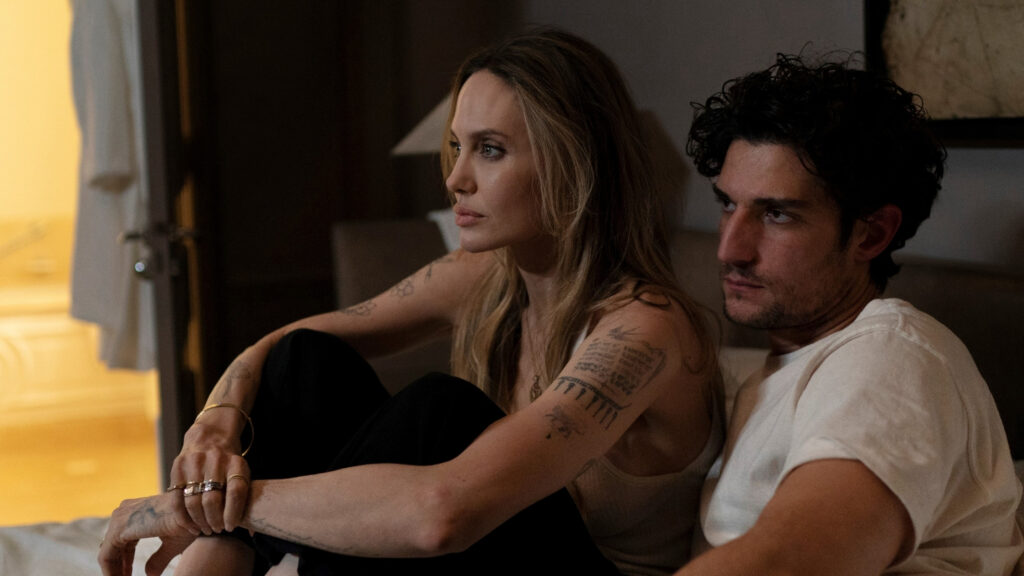
Deep Dive: Story, Themes, Execution.
Story / Plot Summary (Without Major Spoilers)
Maxine Walker is a mid-career American film director who arrives in Paris during Fashion Week to shoot a short piece for a major couture house. Her stay in Paris, however, becomes deeply personal: she learns she has breast cancer, a diagnosis that forces her to rethink not just her health but her artistic identity.
In parallel, we meet Ada, a young model from South Sudan, recently “discovered,” who arrives in Paris seeking transformation — but also runs from an uncertain past. Her new life in the fashion world is seductive, but she must navigate exploitation, objectification, and her own agency.
Then there’s Angèle, a seasoned makeup artist working in the backstage world of haute couture shows. She is not a model, nor a designer — her role is backstage, supporting, invisible in many ways — and her story brings in the perspective of the working-class women who make fashion possible.
As Fashion Week heats up, the lives of Maxine, Ada, and Angèle intersect in unexpected ways. Their relationships — professional, personal, and emotional — develop through fragile trust, painful revelation, and shared solidarity. The film uses the fashion milieu as both backdrop and metaphor for how women’s bodies are scrutinized, shaped, and sometimes commodified.
Maxine’s cancer diagnosis looms over her work: she must decide whether to disclose it, how to represent it, and how to reconcile her vulnerabilities with her public persona. Ada grapples with whether to sacrifice parts of herself for her modeling career. Angèle contends with her own dreams, her labor, and how much of her voice she has in an industry that often erases the hands behind the glamor.
In its final act, Couture doesn’t resolve every conflict neatly. Instead, it offers a meditation on survival, reinvention, and the complex bonds that form in the margins of beauty.
Themes & Motifs
Female Resilience & Solidarity
At its core, Couture is about women supporting women: not through competition or glamour, but through shared pain, sacrifice, and ambition. The film honors the unseen labor and emotional cost behind the runway.
Body, Illness, and Art
Maxine’s breast cancer is not just a personal health crisis — it also becomes a metaphor for how bodies are public in fashion. She’s a watcher (filmmaker) turned subject, and her illness makes her acutely aware of how bodies are shaped, displayed, and valued.
Labor Behind Luxury
By focusing on Angèle, the makeup artist, and by allowing access to real couture ateliers, the film foregrounds the workers behind the splendor: seamstresses, artisans, backstage hands. It’s a reminder that fashion’s glitter relies on invisible craft.
Escape & Reinvention
Ada’s story is about leaving one life for another. She’s not just modeling; she’s navigating identity, opportunity, and the cost of being “discovered.” Her arc questions what is gained — and lost — in reinvention.
Cultural & Class Intersection
The film brings together different social and cultural backgrounds: Maxine from the U.S., Ada from South Sudan, Angèle from working-class Paris. Their interactions highlight inequality, belonging, and shared aspiration.
Direction, Aesthetic & Style.
- Alice Winocour brings a sensitive, humanist touch. She doesn’t just treat fashion as spectacle — she uses it as a stage for real lives. Reviews note that she was given special access to Chanel’s ateliers, which gives the film an authenticity and behind-the-scenes depth.
- The cinematography underscores contrasts: glitzy runway sequences versus quiet private moments, backstage chaos versus personal stillness.
- The pacing is likely contemplative, weaving character beats across the three women’s stories rather than driving toward a single dramatic crescendo.
- The score and tone, as noted in some preview commentary, reflect both elegance and emotional grounding: not all flash — many moments are quiet, reflective, fragile.
Performances
Angelina Jolie as Maxine: Many early critics call this one of her most personal, nuanced performances. She plays Maxine with world-weariness but also a deep vulnerability, especially as she confronts illness and her own doubts about her artistry.
Anyier Anei as Ada: In her feature role, she embodies a youthful mix of ambition, fear, and hope. Ada’s journey is visually and emotionally striking: she is both objectified and strong, displaced but self-possessed.
Ella Rumpf as Angèle: As the backstage makeup artist, she gives a grounded, quietly powerful performance. Her character provides insight into the working women who remain largely unseen in fashion narratives.
Louis Garrel and Garance Marillier: They bring depth to supporting roles (Garrel as a collaborator, Marillier in interpersonal arcs) that tie closely to Maxine’s journey.
Strengths & Potential Weaknesses.
Strengths:
- Emotional Depth: The film doesn’t treat the fashion world superficially — it uses it to explore real, sharp, emotional stakes.
- Representation: By centering women of different backgrounds, it gives a richer, more inclusive view of fashion.
- Authenticity: Filmed inside couture ateliers, with real backstage access — this lends the film visual and moral authenticity.
- Performance: Jolie, Anei, and Rumpf anchor the film with strong, believable portrayals.
- Aesthetic + Substance: It looks like a fashion drama, but feels like a deeply human story.
Weaknesses / Risks:
- Pacing: With three parallel stories, the film may feel languid or overlong for audiences expecting fast-paced drama.
- Balancing Glamour and Grit: It’s a tight rope — too much glamour risks diluting the emotional core; too much grit risks alienating viewers drawn for the fashion.
- Audience Appeal: It’s more festival / arthouse than mainstream; those who want pure fashion fantasy may not resonate with its serious themes.
- Box-Office Uncertainty: Without big commercial hooks (action, spectacle), its financial performance may rely heavily on critical reception and limited release.
Critical Reception (Early)
On Rotten Tomatoes, the film holds a 58% “Tomatometer” (as of writing), indicating a mixed critical reception.
RogerEbert.com (via a review quoted on Rotten Tomatoes) praises how Winocour “weaves in and out” between the three women’s stories, balancing image, sound, and emotional weight
Some critics commend Jolie’s performance as deeply personal and one of her career highlights.
On the downside, a few reviews suggest the narrative may feel “uneven” — with three perspectives to juggle, not all arcs land with equal force. (This is a common risk in ensemble films.)
Why Couture Matters — Its Significance
- A Rare Fashion-Film with Depth: Many films about fashion focus on glamour, but Couture centers the labor, vulnerability, and behind-the-scenes reality of couture.
- Female-Driven Ensemble: Its three female protagonists are complex, not archetypal: a cancer-diagnosed director, an immigrant model, a backstage artist. Their solidarity and conflict make the film feel modern and humane.
- Social Commentary: The movie asks serious questions about the fashion industry, but also about who gets to “be seen” and how value is assigned in fashion.
- Cultural Representation: Ada’s story (from South Sudan) adds global dimension and raises issues of migration, aspiration, and exploitation in fashion.
- Artistic Authenticity: With Winocour at the helm, Couture feels like a genuine auteur project — personal, observant, and not afraid to be emotionally honest.
Final Take.
Couture is not just a film about fashion — it’s a film about lives that fashion momentarily illuminates. Alice Winocour takes us beyond the runway and into the backstage, into hospital wings, into the fragile relationships that tie ambition and mortality together. With Angelina Jolie delivering a quietly powerful performance as a filmmaker facing her mortality, Anyier Anei bringing youthful determination to her role as a model, and Ella Rumpf embodying the oft-forgotten labor force of couture, the movie crafts a tapestry of resilience.
It’s not a glossy, escapist fashion fantasy. Rather, it’s an elegy for the bodies and stories that couture touches — and a celebration of the fierce, hidden solidarity between women in a world obsessed with surface.
For cinephiles, festival-goers, and anyone curious about the intersection of art, illness, and female identity in the fashion world, Couture is a deeply resonant, beautifully shot, emotionally rich journey. It reminds us that behind every elegant seam, there is a struggle; behind every model’s walk, there is a story; and behind every creative choice, there is heart.