


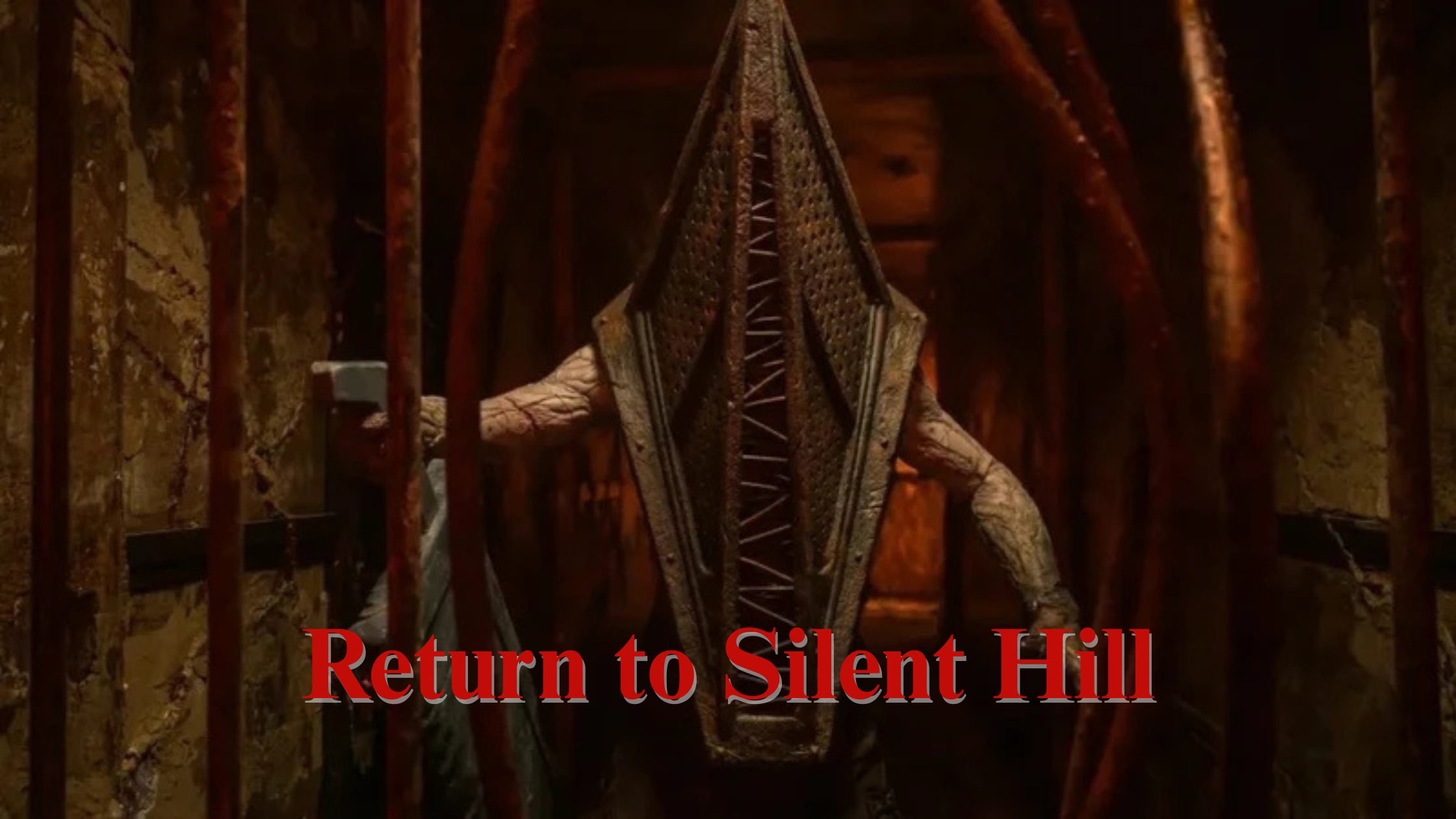
Return to Silent Hill (2026).
Introduction
Return to Silent Hill marks the long-awaited return of one of the most haunting horror franchises inspired by video games. Directed by Christophe Gans, the film revisits the eerie town of Silent Hill, drawing heavily from the legendary game Silent Hill 2. With a blend of psychological horror, emotional trauma, and surreal visuals, the film attempts to recreate the unsettling atmosphere that made the original game iconic.
Released in January 2026, the movie sparked curiosity among fans of horror cinema and gaming alike. However, its reception turned out to be mixed, making it a fascinating case study in adaptation, storytelling, and audience expectations.
Cast of the Movie.
The Return to Silent Hill film features a relatively small but significant cast, focusing more on psychological depth than a large ensemble.
Main Cast:
- Jeremy Irvine as James Sunderland
- Hannah Emily Anderson as Mary / Maria / Angela / Moth Mary
Although the primary narrative revolves around these two actors, Hannah Emily Anderson plays multiple symbolic roles, adding layers to the story’s psychological complexity.
Total notable cast members: Around 2–5 key characters, but the film is heavily centered on the two leads.
Main Character
The central character of the movie is:
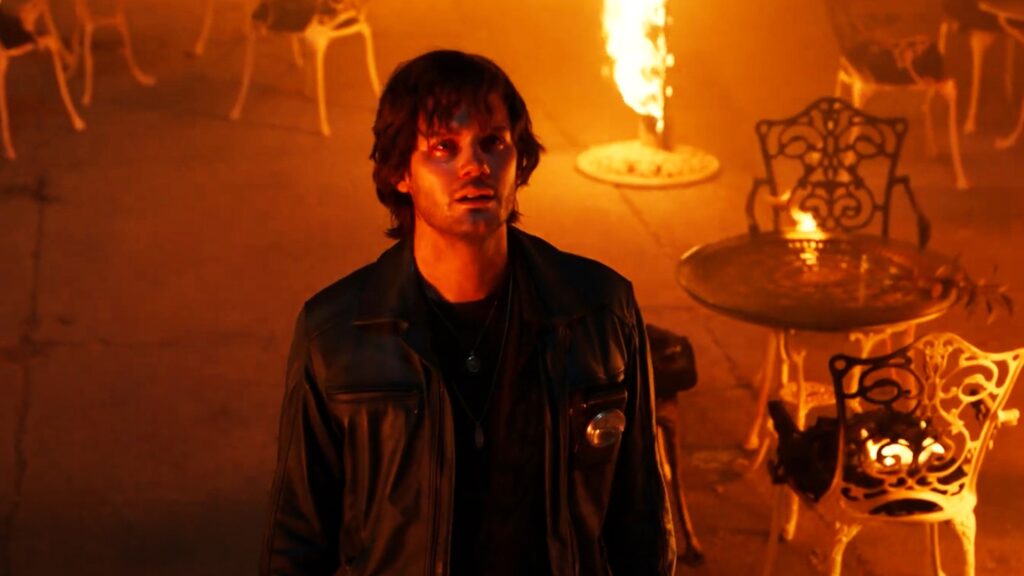
James Sunderland (Jeremy Irvine)
James is a deeply troubled man suffering from depression and emotional trauma. After receiving a mysterious letter from his supposedly deceased lover Mary, he returns to the abandoned town of Silent Hill.
- He represents guilt, grief, and denial
- His journey is both physical and psychological
- The entire film unfolds largely through his perspective
This makes James not just the protagonist but also the emotional and philosophical core of the film.
Box Office Collection.
The film had a moderate financial performance:
- Budget: حوالي $23 million
- Worldwide Gross: حوالي $47.7 million
Analysis:
- The film recovered its budget and made some profit
- However, it did not become a major blockbuster
- Compared to other horror films, its performance was average
Some reports even suggest that in certain regions, the performance was underwhelming, contributing to its mixed reputation.
Niche of the Movie.
The niche of Return to Silent Hill lies in:
Psychological Horror + Video Game Adaptation
Unlike typical horror films filled with jump scares, this movie focuses on:
- Psychological trauma
- Symbolism and inner guilt
- Dark, surreal storytelling
- Emotional horror rather than physical horror
Target Audience:
- Fans of the Silent Hill video game series
- Lovers of slow-burn psychological horror
- Viewers who enjoy symbolic and interpretative storytelling
This is not a mainstream horror film—it belongs to a cult and artistic horror niche.
Story Overview (Spoiler-Free).
The Return to Silent Hill story begins when James Sunderland receives a letter from his dead lover, Mary, asking him to meet her in Silent Hill—a town filled with memories.
When he arrives, he discovers:
- The town is covered in fog and ash
- Strange creatures roam freely
- Reality begins to distort
As he searches for Mary, James encounters different versions of her, including Maria—a mysterious woman who resembles Mary but behaves differently.
The deeper he goes into Silent Hill, the more the town reflects his inner guilt, fears, and past mistakes.
Themes and Symbolism.
One of the strongest aspects of the film is its thematic depth.
1. Guilt and Redemption
James is haunted by his past actions. Silent Hill becomes a manifestation of his guilt.
2. Love and Loss
The film explores how love can turn into obsession and pain.
3. Reality vs Illusion
Nothing in Silent Hill is what it seems. The town blurs the line between:
- Dream and reality
- Memory and hallucination
4. Psychological Punishment
Every monster and event symbolizes James’ internal struggles.
Direction and Cinematography.
Director Christophe Gans attempts to recreate the haunting visuals of the game:
- Fog-filled streets
- Ash falling like snow
- Dark, decaying environments
The cinematography creates a dreamlike and nightmarish atmosphere.
However, critics noted that while visually impressive, the storytelling sometimes lacks clarity.
Music and Sound Design.
The music is composed by Akira Yamaoka, who is famous for his work on the original Silent Hill games.
Highlights:
- Emotional piano themes
- Disturbing ambient sounds
- Sudden shifts between silence and chaos
The soundtrack plays a crucial role in building tension and emotional depth.
Critical Reception.
The Return to Silent Hill film received mixed to negative reviews from critics.
Common Criticisms:
- Confusing narrative
- Lack of emotional depth
- Over-reliance on visuals
Positive Points:
- Atmospheric visuals
- Faithfulness to the game’s tone
- Strong music and sound design
Critics mentioned that the film struggled to balance being a faithful adaptation and a standalone movie.
Audience Reactions.
Fans of the game had divided opinions.
From Reddit discussions:
“Looks terrible… acting looks abysmal.”
“Lacking thematic resonance… gets lost in the haze.”
Summary:
- Hardcore fans appreciated the references
- General audiences found it confusing
Connection to the Game.
The Return to Silent Hill movie is based on:
- Silent Hill 2
It tries to adapt the same story but makes several changes.
Similarities:
- Main character James
- Theme of guilt and loss
- Iconic monsters
Differences:
- Altered character arcs
- Simplified story elements
- More visual focus than psychological depth
Strengths of the Movie.
✔ Strong atmosphere
✔ Unique psychological storytelling
✔ Faithful visual adaptation
✔ Memorable soundtrack
Weaknesses of the Movie.
✖ Confusing narrative structure
✖ Weak emotional connection
✖ Limited character development
✖ Not beginner-friendly
Final Verdict.
Return to Silent Hill is a film that tries to bridge the gap between video games and cinema but doesn’t fully succeed.
Rating (Overall): 6/10
It is:
- A visual and atmospheric experience
- But not a strong narrative film
Conclusion.
Return to Silent Hill is not a typical horror movie—it’s an abstract psychological journey. It dives deep into themes of guilt, love, and mental suffering, but its complex storytelling may not appeal to everyone.
For fans of the Silent Hill universe, it offers nostalgia and familiar horror elements. For general audiences, it may feel confusing and emotionally distant.
In the end, the Return to Silent Hill film stands as a reminder that adapting a deeply psychological video game into a movie is an incredibly challenging task—one that requires not just visual accuracy, but emotional depth and narrative clarity.