

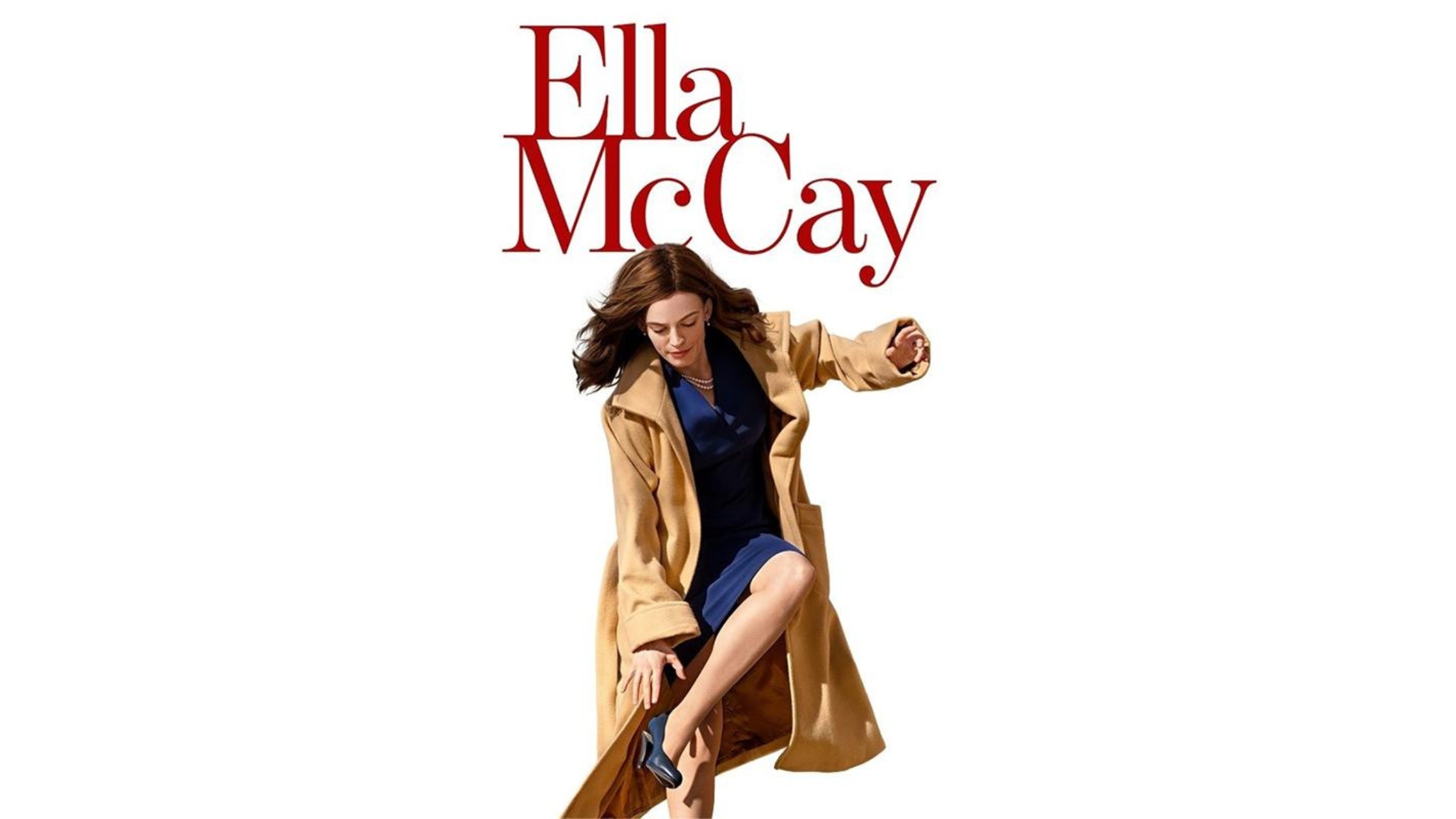
Ella McCay (2025) — A Political Dramedy that Tried to Charm but Struggled to Connect.
Ella McCay is a 2025 American political comedy-drama written and directed by James L. Brooks, marking his first feature film in 15 years. Known for classics like Terms of Endearment, Broadcast News and As Good as It Gets, Brooks returned to directing with this story about a young governor trying to balance public service and the messy dynamics of family life. The movie opened in U.S. theaters on December 12, 2025, courtesy of 20th Century Studios.
How Many Cast — Who’s in the Movie.
Ella McCay features a fairly large ensemble of well-known actors portraying a mix of political players and family members. Including all principal and notable supporting roles, the cast includes about a dozen credited performers:
Principal Cast
- Emma Mackey as Ella McCay — the idealistic protagonist and a newly appointed governor.
- Jamie Lee Curtis as Helen McCay — Ella’s supportive aunt.
- Jack Lowden as Ryan Newell — Ella’s husband.
- Kumail Nanjiani as State Trooper Nash — whose duty puts him close to Ella.
- Ayo Edebiri as Susan — the ex-girlfriend of Ella’s brother.
- Spike Fearn as Casey McCay — Ella’s younger brother.
- Julie Kavner as Estelle — Ella’s secretary and the film’s narrator.
- Rebecca Hall as Claire McCay — Ella’s mother in flashbacks and emotional memory sequences.
- Albert Brooks as Governor Bill Moore — Ella’s mentor and predecessor who moves to a federal role.
- Woody Harrelson as Eddie McCay — Ella’s estranged, unpredictable father.
Additional smaller roles include actors like Sheetal Sheth, Becky Ann Baker and Erica McDermott, who round out the world of the story.
Who Is the “Means” (Main) Character?
The central figure — or “means” character — in Ella McCay is Ella McCay herself, portrayed by Emma Mackey. As the title character, the story revolves around her personal and professional journey — from a loyal lieutenant governor to being thrust unexpectedly into full leadership amid political upheaval.
Ella is depicted as idealistic, ambitious and deeply flawed — someone who genuinely wants to do good but whose career pressures and complicated family relationships continually collide with her sense of self. The film strives to explore what kind of leader she is, and how she copes when her private life complicates her public life.
While the supporting ensemble — including her aunt, husband, brother, and political allies — shape the narrative, Ella McCay is fundamentally Ella’s story: her values, mistakes, growth (or lack thereof), and the mercurial journey of being a female governor in the politically charged setting of 2008.
Box Office (“Box Collection”) — What It Made.
Unlike most of James L. Brooks’ earlier critically acclaimed films, Ella McCay was not a box-office success. Despite a wide theatrical release, it grossed far less than its production budget:
- Production Budget: ~$35 million.
- Worldwide Box Office Gross: Approximately $4.56 million.
Its theatrical run was characterized by a poor opening weekend, earning just over $2 million domestically — one of the worst wide openings for a film with over 2,500 screens in recent years. After steep declines in subsequent weeks, the movie was pulled from theaters after about five weeks, an unusually short run for a major studio release.
This financial underperformance significantly trails its modest budget and reflects a commercial flop, particularly considering Brooks’ prestige as a filmmaker.
The Niche — Who This Movie Is For.
Ella McCay occupies a specific niche within contemporary cinema — one that blends political drama, comedy, and family dramedy. But its tone, execution and reception reveal both the target audience and the gap between intention and impact:
Political Dramedy Fans
The film was marketed toward audiences who enjoy politically-tinged stories with a lighter, comedic touch — the sort of narrative that explores public service, governance and ideals without heavy procedural drama.
Character-Driven Cinema Viewers
Ella McCay leans heavily on character interaction and dialogue rather than spectacle, making it aimed at viewers who enjoy stories set at the intersection of personal life and professional ambition.
Ensemble Family Dramas
With subplots about estranged relationships (father, brother, aunt) and marital strains, the movie attempts to speak to audiences who appreciate films about family complexities and personal redemption.
Fans of James L. Brooks’ Past Work
Given Brooks’ legacy of sharp emotional comedies (Terms of Endearment, Broadcast News), the film seemed positioned to appeal to long-time fans of his style — stories about deeply human, imperfect characters navigating life’s messiness.
However, despite this intended niche, Ella McCay failed to resonate strongly with critics or audiences, leading many to view it as outdated, tonally inconsistent, and lacking the depth expected from Brooks’ previous films.
Deep Detail — Story, Themes, Style, and Execution.
Plot Overview
Ella McCay centers on Ella McCay, a 34-year-old lieutenant governor living in 2008. When her longtime mentor and governor is suddenly appointed to a federal cabinet position, Ella is sworn in as the new governor of her home state.
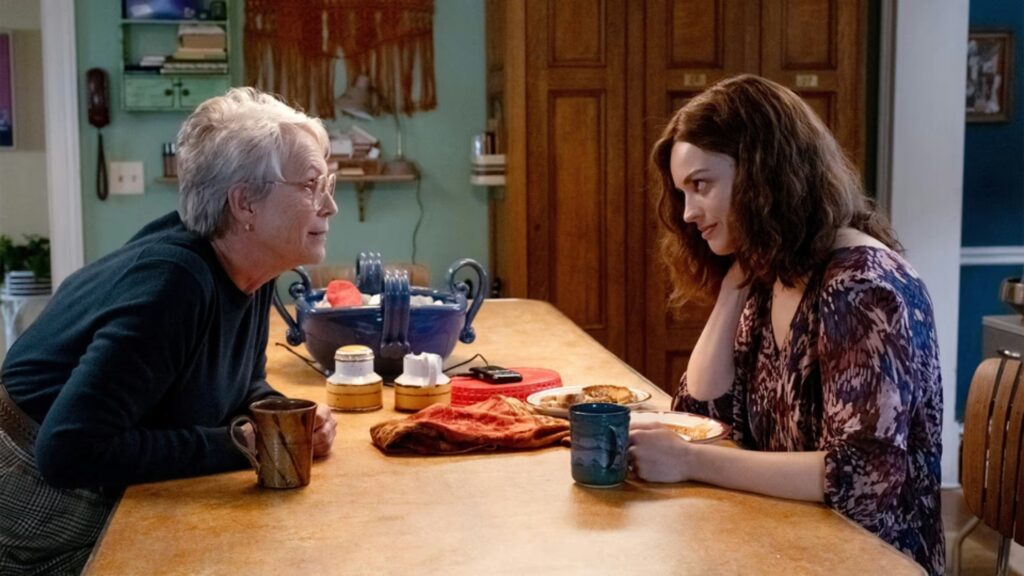
At first, Ella embraces her new responsibilities with confidence and idealism — determined to prove she can lead effectively while keeping her integrity. But her professional life quickly entangles with personal issues: an estranged relationship with her father (Woody Harrelson), tensions with her brother Casey, the unpredictable presence of her aunt Helen (Jamie Lee Curtis), and a marriage tested by newfound pressures.
The plot jumps between public political moments — press crises, policy challenges and media scrutiny — and private familial entanglements, revealing Ella as a character constantly juggling expectations and realities. When a potentially damaging scandal begins to swirl, and Ella’s own missteps become fodder for critics and opponents, she must confront not only political peril but also her own limitations, fears and unresolved personal issues.
Julie Kavner’s voiceover narration (as Estelle, Ella’s secretary) adds a humorous, somewhat cynical layer to the proceedings, framing Ella’s triumphs and failures with wry commentary.
Themes and Character Arc
Despite the film’s mixed execution, Ella McCay attempts to explore several themes rooted in idealism vs. reality:
Idealism in Leadership
Ella’s optimistic drive reflects a belief in public service with heart. The film wants to contrast hope and cynicism in politics — a theme suited for the early 2000s setting, before the heightened polarization of later years.
Identity vs. Expectation
Ella consistently navigates internal conflict — between who she wants to be and what others expect of her (family, voters, political aides). Her identity is as much a battleground as the state she governs.
Familial Responsibility
The family dynamics — particularly with her unpredictable father and emotionally volatile brother — ground the political narrative in personal stakes. Ella’s public life frequently mirrors family struggles, emphasizing how personal and professional pressures can collide.
Style, Direction, and Execution
James L. Brooks’ filmmaking style traditionally combines warm character studies with sharp, often witty dialogue. Ella McCay continues in that vein, with a focus on characters over spectacle — relying on interactions, reactions and emotionally charged scenes rather than cinematic flourishes.
The movie’s pacing and tone, however, drew criticism from many reviewers who felt its blend of political ambition and screwball family drama lacked focus, causing key scenes to feel both dated and overly sentimental. According to review aggregators, the film earned low critical scores and was described as “well-intentioned but woefully undisciplined.”
Critics argued that the movie’s attempt to resonate emotionally was undercut by clumsy plotting and a narrative that never quite dared to explore its political themes deeply or with subtlety.
Reception — Critical and Audience Response
Critically, Ella McCay received predominantly negative reviews. On Rotten Tomatoes, it carried a low critics’ score (around 23–24%), with reviewers calling it misjudged and tonally uneven.
Reviews described the film as “overly nostalgic,” “clumsy,” and lacking the sharp emotional or political insight expected from Brooks’ earlier work.
Audience reactions were mixed, with some appreciating aspects of the performances (especially Emma Mackey’s lead turn), while others found the story lacking in engagement or relevance. Verified audience ratings hovered below favorable levels.
Overall, Ella McCay did not become a cultural hit — critics were largely unimpressed, and audiences found it uneven, contributing to its poor box office performance.
Why Ella McCay Matters — Despite Its Challenges.
- Return of a Veteran Filmmaker: The film marks acclaimed director James L. Brooks’ return to feature-length cinema after a long gap — a significant moment for fans of classic dramedy.
- Ensemble Cast Appeal: With a roster of talented performers like Emma Mackey, Jamie Lee Curtis and Woody Harrelson, it was one of 2025’s highest-profile ensemble releases.
- Attempt at a Thoughtful Political Comedy: Though its execution faltered, the film’s goal to marry political insight with personal drama reflects a genre less frequently explored in mainstream theaters.
- Discussion of Leadership and Family: At its core, it tries to grapple with what it means to lead with empathy while balancing the messy demands of family.
Final Thoughts.
Ella McCay was an ambitious, well-intentioned project from one of Hollywood’s most respected storytellers, aiming to blend political satire with heartfelt character drama. In practice, the film struggled to find a consistent tone or connect deeply with audiences, resulting in underwhelming box office returns and largely negative critical response.
Still, its attempt to explore public service, identity and familial expectations through the lens of one bright but flawed character — Ella McCay — makes it a noteworthy, if imperfect, addition to the 2025 cinematic landscape.