

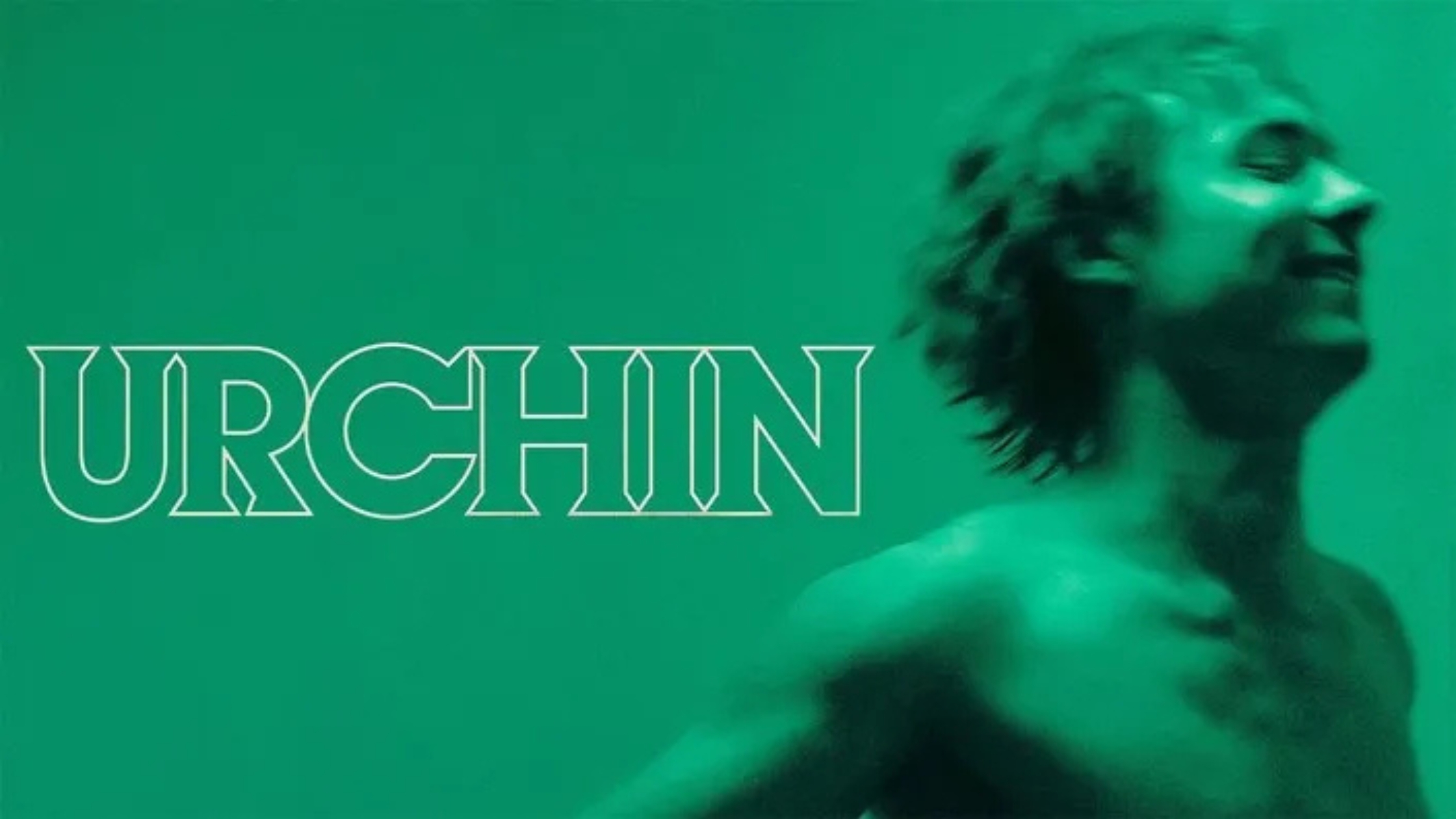
Urchin — a rough, humane portrait of life on London’s margins.
There’s a small but powerful tradition in British cinema that finds its way into the lives of people who are usually edited out of mainstream stories — the homeless, the addicted, the people who live by their wits. Urchin (2025), written and directed by Harris Dickinson in his feature debut, joins that tradition. It’s a spare, sometimes darkly funny film about a rough sleeper named Mike trying to escape a cycle of self-destruction, and the odd, messy opportunities that appear when someone finally tries to help. The movie premiered on the festival circuit in 2025 to warm notices for its lead performance and Dickinson’s confident, humane eye.
Quick facts — who made it, who’s in it, where it played.
- Director / Writer: Harris Dickinson (feature directorial debut).
- Principal cast: Frank Dillane (Mike), Megan Northam (Andrea), Karyna Khymchuk (Ramona), Shonagh Marie (Chanelle), Amr Waked (Franco); Dickinson himself also appears in a supporting role.
- Cannes / TIFF / release: Urchin premiered in the Un Certain Regard section at the 78th Cannes Film Festival in May 2025 and went on to play other festivals before a UK theatrical release in October 2025.
- Running time / Country / Language: 99 minutes; United Kingdom; English.
Those simple facts matter because Urchin is a film with a tight scope — a compact runtime, a small ensemble, and a director who’s also an actor and producer invested in the material. Harris Dickinson has framed the story as deeply personal and socially engaged: he’s talked in interviews about volunteer work with homeless charities and a desire to make a film that respects people who “fall between the cracks.”
How many cast? — practical headcount.
If you want a practical answer to “how many cast in this movie?”: the story is carried by a compact principal ensemble — roughly 6–10 actors who receive meaningful screen time (Frank Dillane, Megan Northam, Karyna Khymchuk, Shonagh Marie, Amr Waked, plus Dickinson and a handful of supporting players) — while the full credits (bit parts and background roles) expand into the dozens on the IMDb roll. The film’s intention is intimacy rather than crowd spectacle, so the dramatic weight rests on a few central relationships.
Who is the “means” (main) character?
The film’s emotional center is Mike, played by Frank Dillane. Mike is a rough sleeper in London: quick with a joke, self-destructive, and habitually sabotaging the few openings life offers him. Dillane’s performance — raw, vulnerable, and often startlingly alive — is the sensor that guides us through the film’s sometimes surreal, sometimes mundane series of episodes. Critics singled him out for carrying the film’s tonal shifts (from bleak to tender to absurd), and the movie is structured as a portrait that follows him more than any other character.
What the film made (box-office / “box collection”).
Urchin is a modest, festival-to-theatre film rather than a commercial blockbuster. Publicly reported global grosses (as aggregated in the film’s production and distribution listings) place the theatrical total in the low hundreds of thousands — the film’s Wikipedia entry reports a worldwide gross in the neighborhood of US$647,511. That figure aligns with a specialty theatrical strategy: festival profile first, limited theatrical run second, broader audience via VOD/streaming later. In short: Urchin’s impact is measured more in critical conversation than in box-office records.
The niche — who is this film for?
Urchin sits in a hybrid niche that combines social-realist drama, character study, and dark comedy. Its likely audiences include:
- Viewers who appreciate British social realism (a tradition stretching from Ken Loach to Andrea Arnold) and films that sympathetically examine marginal lives.
- Festival and arthouse audiences who look for actor-led, performance-driven cinema. Frank Dillane’s work anchors the film, so fans of performance pieces will find much to admire.
- People interested in contemporary urban stories about addiction, mental health, and the small institutional gestures (soup kitchens, shelters, well-meaning volunteers) that puncture or prop up a life.
- Those who don’t mind ambiguity: this isn’t a tidy redemption tale so much as a portrait of messy, partial survival.
Put simply, if you want a compassionate, occasionally wry look at people societies often ignore, Urchin is aimed at you.
Deep dive — plot, themes, tone, and what makes it work.
The set-up (no spoilers)
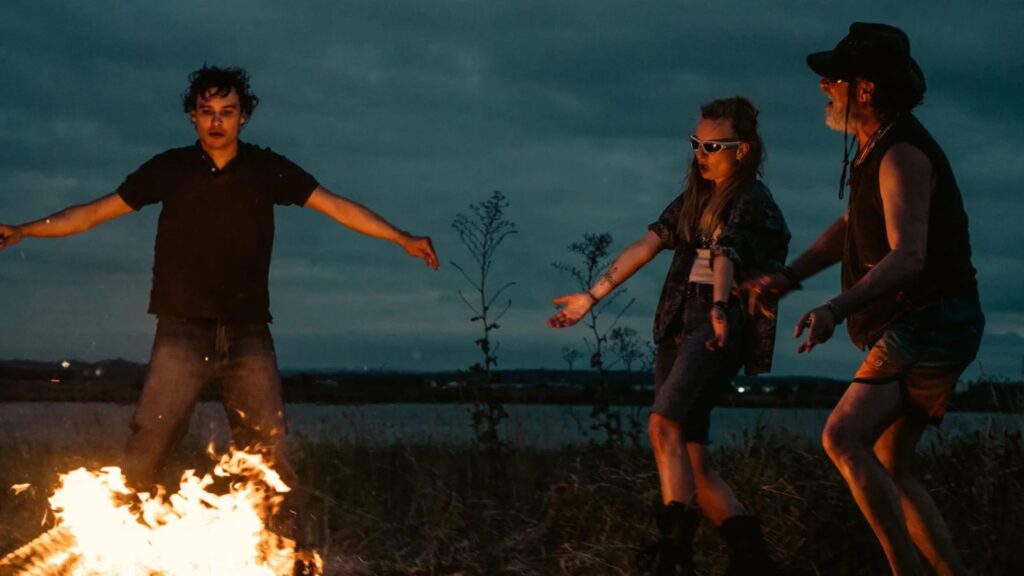
The film follows Mike, a rough sleeper in the margins of London who alternates between self-sabotage and fleeting hope. He’s given a fragile opportunity — shifts of paid work, a potential place in a shelter, a connection with Andrea (Megan Northam) and other people who try to help. But Mike’s past, habits, and a strange series of encounters complicate every step toward stability. The film is episodic: small moments accumulate into an odyssey that sometimes feels dreamlike and at other times painfully ordinary.
Themes — what the Urchin film is really about
- Cycles of care and neglect. Urchin insists that small acts of kindness matter, but it also refuses to romanticize them. A hot meal or a job shift can change a day, but structural problems — mental health systems, poverty, addiction — remain stubborn. Dickinson’s film wants you to feel both the power and the limits of individual gestures.
- Self-destruction as character. Mike’s instincts are both resourceful and self-undermining. The movie is interested in why people repeat patterns even when repeated harm is obvious — a human question that Dickinson frames without sermonizing.
- The absurd and the humane. Tonally, Urchin is often funny in a bitter, gallows sort of way. Life on the street is dangerous and bleak, but it’s also full of bizarre encounters, tiny rituals, and a perverse humor that protects people from despair. The film leans into that humor as a survival mechanism rather than as a way to defuse pain.
- Systems vs. individuals. The film asks: what happens to people who “fall between the cracks”? Dickinson’s script and staging keep returning to institutions (police, health services, charities) and show how they alternately help and ignore. The result is an argument for structural compassion rather than simple pity.
Style, direction, and tone
Harris Dickinson directs with an actor’s sensibility: the camera lingers on faces and small exchanges; the editing gives space for silence and for improvisation. Visually, the film favors naturalistic, sometimes gritty photography that places the audience on Mike’s level rather than over him. The pace is deliberate — rarely rushed — which gives viewers time to absorb the rhythms of life on the margins. Critics have compared the film’s empathy and texture to the work of Andrea Arnold and other contemporary British realists.
Performances — the beating heart
- Frank Dillane (Mike) is the film’s magnetic center. His performance is alternately charming and exasperating: he makes you care about a man who repeatedly makes bad choices. Reviewers praised Dillane’s ability to find tenderness inside rough edges, lending the character authenticity rather than caricature
- Megan Northam (Andrea) offers a grounded counterpoint: someone trying to help without deluding herself about how easy change will be. The supporting cast (Karyna Khymchuk, Shonagh Marie, Amr Waked and Dickinson in a smaller role) populate the film with people who are part of Mike’s orbit — helpers, exploiters, friends, and ghosts.
Key scenes & what they do
There are a handful of scenes that critics singled out as emblematic: a claustrophobic shelter sequence that shows how bureaucracy can feel like punishment; an unexpectedly comic run-in with a charity worker that disarms and humanizes; and a final stretch that refuses tidy closure but suggests the possibility of small, continuing change. Those moments exemplify the film’s moral complexity — it neither rewards nor condemns Mike outright.
Strengths
- Humanist perspective. Dickinson’s approach is compassionate without being sentimental. That balance makes the film feel grown-up and morally honest.
- Lead performance. Frank Dillane’s central turn anchors the film and gives it emotional gravity.
- Authenticity. The film’s details — the way shelters run, the gestures of charity, the low-level humiliations — feel lived-in and true.
Weaknesses / caveats
- Pacing and payoff. Viewers used to tightly plotted narratives may feel the film wanders; the episodic structure resists the neat, triumphant arc of mainstream “redemption” stories.
- Limited scale. Because it’s deliberately small, its social critique can sometimes feel underpowered compared with larger, policy-oriented documentaries or investigations. The emotional intelligence is there, but the film is not a policy tract.
Reception — how critics reacted.
Urchin earned solid critical respect on the festival circuit. Reviews praised the director’s empathy and the lead performance; critics from outlets like RogerEbert.com and festival coverage highlighted its rawness and tonal bravery. Aggregators and reviews describe the film as thoughtful and humane, with specific praise for Dillane and Dickinson’s sensibility. It’s the sort of film that critics love and general audiences respect — a strong festival artifact rather than a mass-market sensation.
Final take — who should see Urchin and why.
Urchin is a quiet, humane film about an ugly, ordinary problem: the cycles that trap people on the streets. It’s not an easy or comfortable watch — it’s often funny and sometimes bleak — but it’s honest about where hope can come from (messy human relationships, small institutional acts) without offering a tidy moral resolution. If you like British social realism, actor-driven narratives, or films that insist on the dignity of people living hard lives, Urchin should be on your watchlist. It’s a confident first feature from Harris Dickinson and a showcase role for Frank Dillane — a film that earns the word “compassionate” without ever lapsing into pity.